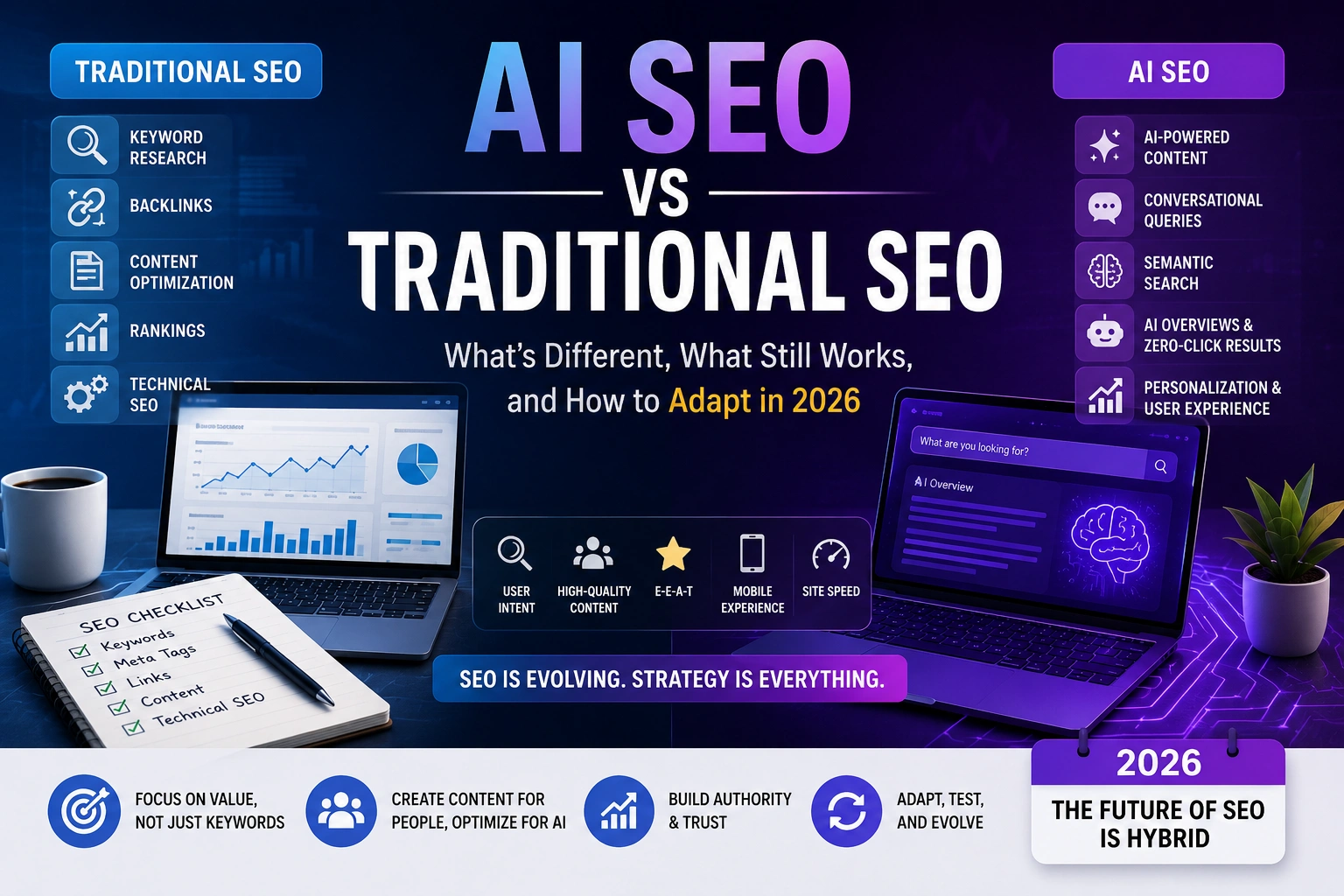
AI SEO vs Traditional SEO: What’s Different, What Still Works, and How to Adapt in 2026
Introduction: Two Approaches, One Goal
The SEO industry has a habit of framing every major shift as a revolution — a moment where everything that came before stops working and a new playbook takes over completely.
The reality of AI SEO vs traditional SEO is more nuanced than that.
Traditional SEO — built around keyword research, on-page optimization, backlink building, and technical foundations — is not obsolete. Many of its core principles are as relevant today as they were a decade ago. What has changed is the environment those principles operate in. Search engines have grown significantly more sophisticated. AI-powered features have added new layers to how content is discovered, evaluated, and presented. And the definition of “visibility” has expanded beyond a position on a list of ten blue links.
AI SEO does not replace traditional SEO. It extends it — adding new requirements, new optimization targets, and new ways to measure success. The organizations that understand both approaches, and know how to apply them together, are the ones best positioned for sustainable organic growth in 2026.
This guide breaks down exactly what separates the two approaches, where they overlap, and how to build a strategy that takes full advantage of both.
About this guide: The comparisons and recommendations in this article are based on observed industry patterns, Google’s publicly available guidance through Google Search Central, and established SEO best practices as of June 2026.
What Is Traditional SEO?
Traditional SEO refers to the set of practices developed to improve a website’s visibility in conventional search engine results pages (SERPs) — the familiar list of ranked links that Google, Bing, and other search engines display in response to a query.
It is built around three core pillars:
1. On-Page SEO Optimizing individual pages for specific target keywords — including title tags, meta descriptions, heading structure, keyword placement, internal linking, and content relevance. The goal is to make each page clearly relevant to a specific search query.
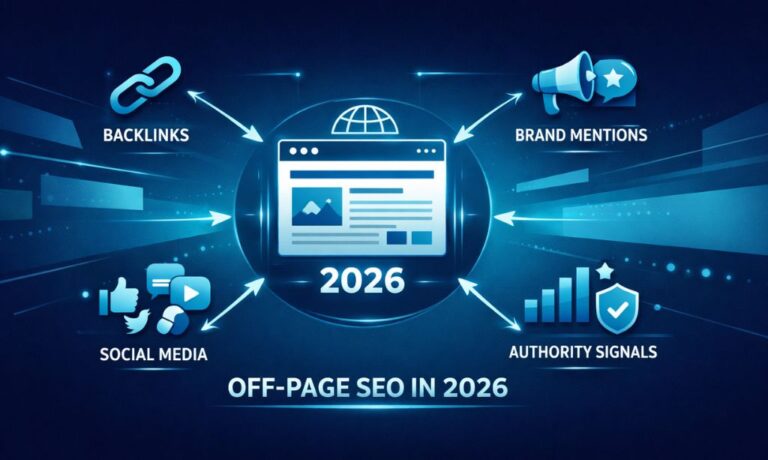
2. Off-Page SEO Building the authority and reputation of a website through backlinks from other credible sites, brand mentions, and signals that indicate the site is trusted and referenced by others in the same space.
3. Technical SEO Ensuring the website is crawlable, indexable, fast-loading, mobile-friendly, and structurally sound — so that search engine bots can efficiently discover, read, and rank its content.
Traditional SEO has been the dominant approach to organic search since the early days of Google. Its principles have been refined over decades, and while algorithm updates have shifted the relative importance of different signals over time, the three-pillar framework has remained fundamentally stable.
What Is AI SEO?
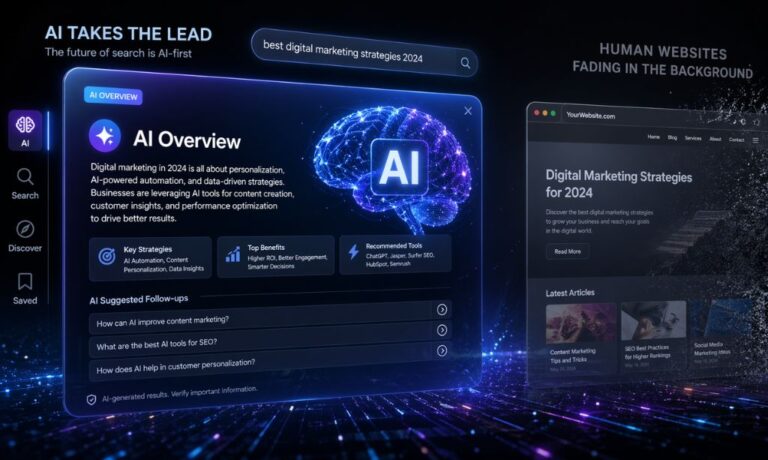
AI SEO — sometimes called Generative Engine Optimization (GEO) or Answer Engine Optimization (AEO) — refers to the practices specifically aimed at gaining visibility within AI-powered search features and AI-generated answers.
In practical terms, this means optimizing content to be cited, referenced, or summarized by:
- Google AI Overviews — AI-generated summaries that appear above traditional search results for a growing range of queries
- Google AI Mode — Google’s dedicated conversational search interface that handles multi-turn research queries
- ChatGPT Search — OpenAI’s search-integrated assistant, widely used globally.
- Perplexity AI — A research-focused AI search engine that cites its sources explicitly
- Microsoft Bing Copilot — AI-assisted search integrated into Microsoft’s ecosystem
According to Ahrefs’ November 2025 analysis of 146 million SERPs, AI Overviews appear on approximately 20.5% of U.S. Google searches, with significantly higher rates for informational and research-oriented queries. This indicates that a meaningful share of the searches most relevant to content-driven websites now trigger an AI-generated summary before users see traditional links.
AI SEO requires content that is not just keyword-relevant, but extractable, authoritative, and structurally clear — formatted in a way that AI systems can parse, attribute, and summarize accurately.
AI SEO vs Traditional SEO: The Full Comparison
|
Dimension |
Traditional SEO |
AI SEO |
|---|---|---|
|
Primary goal |
Rank in top positions of SERP |
Get cited in AI-generated answers |
|
Visibility metric |
Keyword rankings + CTR |
AI citation frequency + branded search lift |
|
Keyword strategy |
Target specific keyword phrases |
Cover topics and conversational queries comprehensively |
|
Content format |
Long-form, keyword-optimized pages |
Structured, question-answering, FAQ-rich content |
|
Content depth |
One optimized page per keyword |
Topic clusters with pillar + supporting articles |
|
Backlinks |
Primary authority signal |
Still important; combined with E-E-A-T signals |
|
Schema markup |
Useful for rich snippets |
Valuable for content classification and extraction |
|
Search intent |
Match keyword to intent type |
Satisfy full user goal including follow-up questions |
|
Technical SEO |
Core requirement |
Still core; schema and crawlability more critical |
|
Tracking |
Rank tracking tools |
Rank tracking + AI citation monitoring |
|
Zero-click impact |
Limited — most queries drive clicks |
Significant — AI Overviews resolve many queries without a click |
|
Brand building |
Rankings drive awareness |
Rankings + AI citations together drive awareness |
|
Timeline to results |
Weeks to months |
Similar; AI citation can appear faster for structured content |
|
Who benefits most |
Sites with strong link profiles |
Sites with topical depth and strong E-E-A-T signals |
What Traditional SEO Still Gets Right
Before focusing on what has changed, it is worth being clear about what has not — because traditional SEO fundamentals remain the backbone of any effective strategy in 2026.
Backlinks Still Signal Trust
Backlinks from credible, topically relevant domains remain one of the strongest indicators of content trustworthiness. Both traditional search rankings and AI-powered citation systems favor content that other authoritative sources have found worth referencing. This fundamental relationship between links and trust has not changed — it has been reinforced.
Technical Health Is Non-Negotiable
A site with crawl errors, slow page speeds, poor mobile rendering, or broken internal links will underperform in both traditional and AI search. No amount of content optimization compensates for a technically broken foundation. The technical SEO principles that have always underpinned strong organic performance remain as relevant as ever.
On-Page Clarity Still Matters
Well-structured pages with clear title tags, logical heading hierarchies, and relevant content remain the basic unit of good SEO. Traditional on-page optimization and AI-era content structuring are more complementary than they are in conflict — the clarity that helps search engines rank a page also helps AI systems extract and cite it. A strong foundation in on-page SEO supports both objectives simultaneously.
Keyword Research Remains Valuable
Understanding what your audience searches for — their language, their questions, their pain points — is as important as it has ever been. Keyword research has evolved to include conversational and intent-based query analysis, but the core practice of systematic audience research has not been replaced. It has been expanded.
Content Quality Has Always Won Long-Term
Google’s guidance has consistently pointed toward the same destination: create useful, accurate, well-crafted content for real people. This has been true through every major algorithm update, and it remains true in the AI search era. The sites that have invested in genuine content quality over the years are, by and large, the same sites performing well in AI-generated results today.
Where AI SEO Changes the Game
While the fundamentals persist, AI search has introduced meaningful changes that require new approaches — particularly for content teams and SEO professionals who relied heavily on traditional optimization tactics.
The Definition of “Ranking” Has Expanded
In traditional SEO, ranking meant appearing in a specific position in the blue-link results. In AI search, visibility means something broader: being cited within an AI-generated summary, being referenced as a source, having your brand mentioned in a conversational response.
A page can appear in position four in traditional results and still be cited in an AI Overview. A page at position one may not be cited at all if its content is not structured for AI extraction. These two visibility dimensions operate somewhat independently — and measuring only one gives an incomplete picture.
Topical Authority Matters More Than Individual Pages
Industry research suggests sites demonstrating deep, comprehensive coverage of a subject are more likely to be cited by AI systems than sites with isolated, well-optimized individual pages. This shifts the strategic emphasis from “how do I rank this page?” to “how do I establish my site as a trusted resource on this topic?”
Content clusters — where a central pillar page is supported by multiple interconnected articles covering related subtopics — have become the standard structural approach for building this kind of coverage.
Content Structure Is Now a Competitive Differentiator
Structured content may improve extractability for AI systems, making it easier for AI-generated answers to reference and summarize information. Two pages can contain the same information but present it very differently. One uses long, narrative paragraphs with no clear question-answer structure. The other uses question-based headings, direct answers in the first sentence of each section, and a dedicated FAQ block. Observed patterns indicate that the second format tends to be more frequently cited in AI-generated results — though content quality and authority remain equally important factors.
E-E-A-T Signals Are Evaluated More Rigorously
Google describes E-E-A-T — Experience, Expertise, Authoritativeness, and Trustworthiness — as a quality framework rather than a direct ranking factor. In practice, the signals that demonstrate E-E-A-T (named authors with verifiable credentials, original research and observations, cited sources, accurate and current information) are weighted more heavily in the AI search era because AI systems are designed to prioritize credible, trustworthy sources.
Anonymous content, generic restatements of common knowledge, and pages without clear organizational identity are at a structural disadvantage — in both traditional rankings and AI citation.
Zero-Click Behavior Has Real Implications
Approximately 60–65% of Google searches end without a click, based on SparkToro’s 2024 clickstream study and industry estimates from Similarweb and Bain & Company. AI Overviews contribute to this by resolving informational queries directly on the results page. For content strategies heavily focused on top-of-funnel informational traffic, this has practical implications for click-through rates.
The strategic response is not to abandon informational content — it is to understand that being cited in an AI Overview, even without a click, builds brand awareness in a measurable way. Research shows a correlation between AI Overview citations and branded search volume, although causation has not been established. Visibility and traffic are no longer perfectly correlated, and citation presence is increasingly worth tracking alongside traditional ranking metrics.
The 6 Biggest Shifts From Traditional to AI SEO
Shift 1: From Keywords to Topics
Traditional SEO: optimize a page for a target keyword. AI SEO: industry observations suggest building comprehensive coverage of an entire topic — addressing every meaningful question a user might have at any stage of their research — improves the likelihood of AI citation. This does not mean abandoning keywords — it means thinking in topic ecosystems rather than individual search terms.
Shift 2: From Rankings to Citations
Traditional SEO: track keyword position in SERP. AI SEO: track keyword position and monitor whether content is being cited in AI-generated summaries.
Both metrics matter. Neither alone tells the complete story. Understanding how AI search optimization tools improve SERP rankings helps connect these two measurement frameworks.
Shift 3: From Page-Level to Site-Level Authority
Traditional SEO: build authority for individual pages through targeted link building. AI SEO: industry research suggests building site-wide topical authority — through content depth, internal linking, and consistent expertise signaling — may improve AI citation frequency alongside traditional rankings.
Individual page authority still matters — but the site-level context around that page matters more than it did in the traditional model.
Shift 4: From Keyword Density to Structured Extraction
Traditional SEO: include target keywords at recommended density across the page. AI SEO: structured content may improve extractability, making it easier for AI systems to identify, attribute, and summarize specific answers. FAQ sections, question-based headings, direct-answer formatting, and schema markup are the tactical expressions of this approach — though they work best when combined with genuine content quality and authority.
Shift 5: From Clicks to Visibility + Brand Lift
Traditional SEO: measure success in clicks and organic sessions. AI SEO: observed patterns indicate that citations, impressions, and branded search volume trends provide additional visibility signals worth tracking — alongside clicks. Research shows a correlation between AI Overview citations and branded search volume, although causation has not been established. This requires broader measurement frameworks beyond traditional rank trackers alone.
Shift 6: From Tool-Specific to Cross-Platform Presence
Traditional SEO: optimize for Google (and perhaps Bing). AI SEO: optimize for Google, ChatGPT Search, Perplexity, Bing Copilot, and an expanding ecosystem of AI-powered information surfaces.
The content qualities that earn citation across these platforms overlap significantly — but monitoring your presence across all of them requires intentional tracking. A dedicated AI search monitoring platform makes this practical for sites managing content at any meaningful scale.
Do You Have to Choose Between the Two?
No — and framing AI SEO and traditional SEO as competing approaches is one of the most common misunderstandings in current SEO discourse.
Traditional SEO provides the foundation: technical health, backlink authority, on-page clarity, and keyword relevance. Remove these foundations and AI SEO tactics have nothing to build on. A perfectly structured FAQ section with impeccable schema markup on a slow, poorly crawled, low-authority website will not perform meaningfully in either traditional or AI search.
AI SEO adds the layer: content structure optimized for extraction, topical depth that demonstrates authority, E-E-A-T signals that build trust with AI systems, and monitoring frameworks that measure visibility beyond traditional rankings.
The two approaches reinforce each other. Strong traditional SEO makes AI SEO more effective. Strong AI SEO content tends to also rank well in traditional search — because the qualities that make content extractable (clarity, structure, accuracy, depth) are the same qualities that have always made content rankable.
Building an Integrated SEO Strategy for 2026
Rather than treating AI SEO and traditional SEO as separate workstreams, the most effective approach in 2026 is an integrated strategy that serves both objectives simultaneously.
Here is how that looks in practice:
Foundation — Traditional SEO (non-negotiable)
- Conduct keyword research to understand your audience’s language and questions
- Build a technically sound, fast, mobile-friendly website
- Implement proper on-page structure: title tags, heading hierarchy, meta descriptions, internal links
- Earn backlinks from credible, topically relevant sources
- Monitor performance through Google Search Console and a rank tracking tool
Layer Two — Topical Authority Building
- Define the core topics your site covers and commit to comprehensive coverage
- Build content clusters: one pillar page per major topic, supported by multiple focused articles
- Link these articles to each other consistently and logically
- Publish on a consistent schedule within your defined topic areas
Layer Three — AI Search Optimization
- Restructure key pages with question-based headings and direct-answer formatting
- Add FAQ sections to your most important content and implement FAQPage schema
- Strengthen E-E-A-T signals: named authors, original observations, cited sources, regular updates
- Implement comprehensive schema markup across Article, Organization, HowTo, and other relevant content types
- Ensure brand identity is clearly established through About pages, authorship, and consistent entity signals
Layer Four — Measurement and Iteration
- Track traditional keyword rankings alongside AI Overview citation frequency
- Monitor branded search volume as a proxy for AI-driven brand awareness
- Use manual spot-checking or a dedicated AI monitoring tool to observe your citation presence
- Iterate content based on what you observe being cited — and what your competitors are being cited for
This layered approach ensures that improvements to your AI search visibility do not come at the expense of traditional ranking performance — and vice versa. For a broader view on how AI search is changing SEO at the strategic level, that guide provides the wider context within which this framework sits.
Frequently Asked Questions (FAQ)
Q1: Is traditional SEO still relevant in 2026?
Yes — traditional SEO remains foundational. Backlinks, on-page structure, technical health, and keyword relevance continue to influence both traditional rankings and AI search visibility. The organizations performing best in AI search today are largely those that built strong traditional SEO foundations first. AI SEO adds new requirements on top of those foundations — it does not replace them.
Q2: What is the main difference between AI SEO and traditional SEO?
The primary difference is the optimization target. Traditional SEO optimizes for position in ranked search results — the list of links on a SERP. AI SEO optimizes for citation within AI-generated summaries and answers. Both require quality content, technical health, and authority signals — but AI SEO adds specific requirements around content structure, topical depth, and E-E-A-T demonstration that traditional SEO alone does not fully address.
Q3: Do I need to completely change my SEO strategy for AI search?
Not completely — but meaningfully. If your current strategy is built on solid traditional SEO foundations, you are already partway there. The additions AI SEO requires — question-based content structure, FAQ sections, schema markup, topical authority building, and AI citation monitoring — can be layered onto a good traditional SEO approach rather than replacing it. Think of it as evolution, not revolution.
Q4: How do I know if my content is performing in AI search?
Tracking AI search performance requires a different approach than traditional rank tracking. Manual spot-checking — searching your target queries and observing whether AI Overviews appear and whether your content is cited — is the most accessible starting point. Google Search Console can reveal pages generating impressions without proportional clicks, which may indicate AI Overview appearances. Dedicated monitoring platforms offer more systematic tracking for sites managing content at scale.
Q5: Does AI SEO work for small businesses and bloggers?
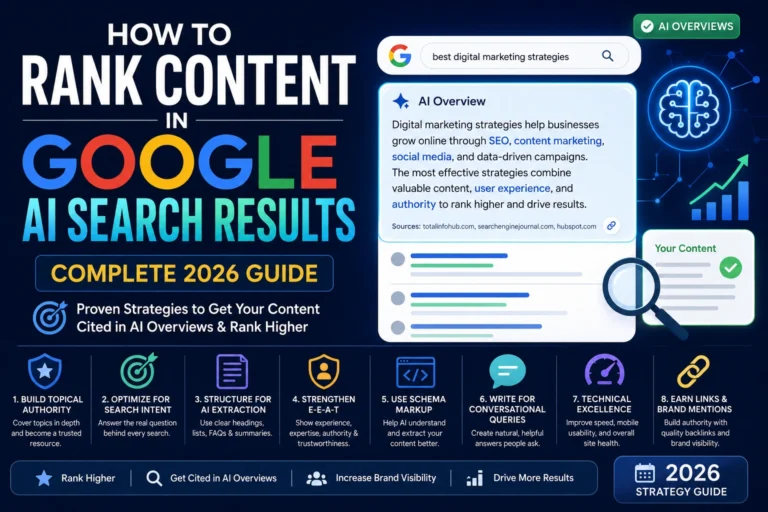
Yes — and in some ways, AI SEO levels the playing field. Small sites with deep topical focus and strong content structure can appear in AI Overviews even when they cannot compete with large domains for traditional rankings on high-competition keywords. Targeting specific, underserved questions within a clearly defined niche is a practical and achievable AI search strategy regardless of domain size. This is one reason why understanding how to rank content in Google AI search results is valuable for publishers of every scale.
Q6: Which is more important — traditional SEO or AI SEO?
Neither is more important in isolation — they are complementary. Traditional SEO without AI SEO optimization misses a growing share of search visibility. AI SEO without traditional SEO foundations has nothing to build on. In 2026, a strategy that treats them as a single integrated discipline will consistently outperform one that prioritizes either approach exclusively.
Q7: How is AI SEO measured differently from traditional SEO?
Traditional SEO is primarily measured through keyword rankings, organic traffic, and click-through rates. AI SEO adds additional measurement dimensions: AI citation frequency (whether your content is referenced in AI-generated answers), branded search volume trends (which can reflect AI-driven brand awareness), and share of voice within AI-generated results for target topics. The best AI SEO tools available in 2026 increasingly support both measurement frameworks within a single platform.
📚 Continue Reading: Deepen Your AI SEO Knowledge
- 🔍 How AI Search Is Changing SEO (June 2026) — the full strategic context behind the AI search shift
- 🎯 How to Rank Content in Google AI Search Results — the tactical guide to AI Overview optimization
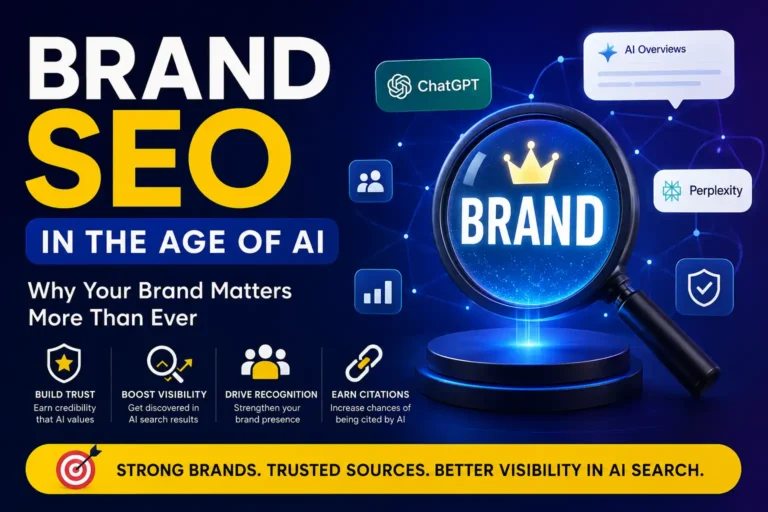
- 📈 Best Ways to Improve Brand Visibility in AI Search Results — building presence beyond traditional rankings
- 🛠️ Best AI SEO Tools in 2026 — the tools that support both traditional and AI SEO workflows
- 🔮 The Future of SEO in the Answer Engine Era — where the integrated strategy leads from here
Final Thoughts
The AI SEO vs traditional SEO debate is, in some ways, a false choice — and recognizing that is the first step toward building a genuinely effective strategy.
Traditional SEO built the infrastructure that makes AI SEO possible: the authority signals, the technical health, the content quality baseline. AI SEO extends that infrastructure to capture visibility in a search landscape that has grown significantly more complex.
The sites thriving in 2026 are not the ones that abandoned traditional SEO for the new approach, or the ones that dismissed AI search as irrelevant. They are the ones that understood both frameworks clearly enough to combine them — using traditional SEO to build the foundations and AI SEO to ensure those foundations are visible across every surface where their audience now searches for information.
That integrated understanding is what this guide is designed to support.
Disclaimer: SEO practices and search engine features continue to evolve. The information in this article reflects industry knowledge and Google Search Central guidance as of June 2026. Always verify current best practices through official documentation before implementing significant changes to your SEO strategy.
📎 Sources & Further Reading
Official Documentation
- Google Search Central — Search Quality Guidelines & E-E-A-T Framework (developers.google.com/search)
- Google Search Quality Evaluator Guidelines (static.googleusercontent.com)
Industry Research & Data
- Ahrefs — AI Overview Frequency Analysis: November 2025 study of 146 million SERPs (ahrefs.com/blog)
- SparkToro — Zero-Click Search Research (sparktoro.com/research)
- Similarweb — Search Market & Behavior Reports (similarweb.com/blog)
- Search Engine Land — AI Search Coverage & SEO Analysis (searchengineland.com)
- Search Engine Journal — Traditional & AI SEO Research (searchenginejournal.com)
Strategy & Best Practices
- Google Search Central Blog — AI Overviews & Content Guidance (blog.google)
- Schema.org — Structured Data Vocabulary (schema.org)
This article is reviewed and updated regularly. Last reviewed: June 2026.