Hostinger vs Namecheap: Which Hosting Is Better for Beginners in 2026?
1. Introduction
You’ve got a website to build. First step, check. Now, where do you put it? That’s web hosting. It sounds simple, but picking a host is a surprisingly big deal, and it’s the first real choice you have to make.
1.1 Why Choosing the Right Web Hosting Matters for Beginners
Let’s be honest, nothing’s worse than being excited to show off your new site, only for it to be slow as molasses. It’s just a bummer. That’s what a bad web hosting provider does; it quietly sabotages all your hard work. This is exactly why a practical comparison like Hostinger vs Namecheap matters so much for beginners. It’s about finding a partner that won’t give you headaches so you can actually enjoy building your site.
1.2 Overview of Hostinger and Namecheap as Global Hosting Providers
You’ve seen these two names. Everyone has. They’re basically the top two choices for anyone just starting out.
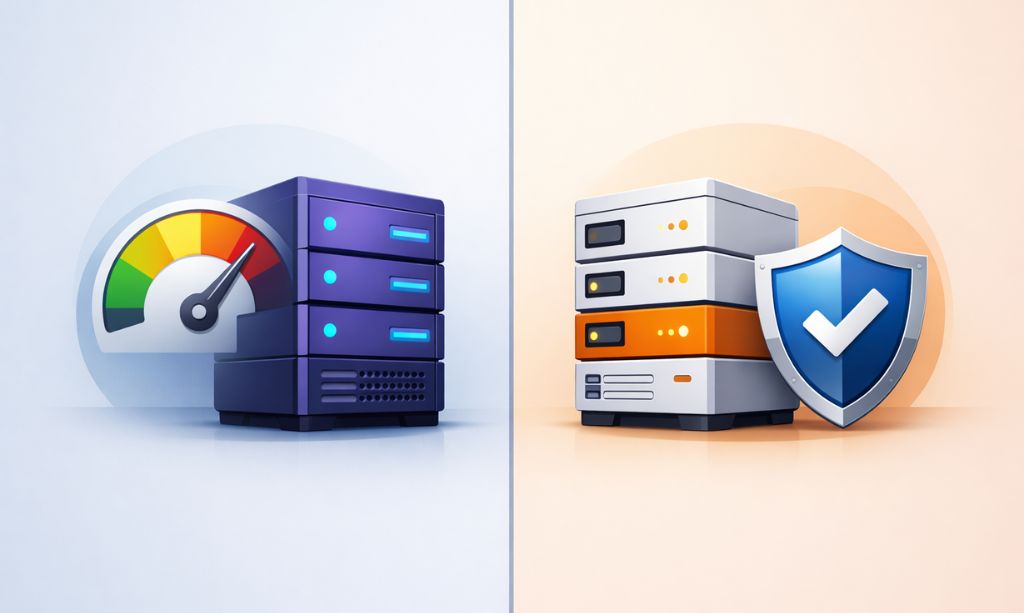
Hostinger is the name that’s always buzzing when you hear “fast” and “affordable” in the same sentence. They feel very modern, very tech-forward. If you want something that feels new and slick, that’s usually where people point you.
Namecheap is kind of the old guard, in a good way. They built their name on trust and simplicity, starting with domains. Their hosting has that same vibe: it’s not flashy, it’s just solid and reliable. You know what you’re getting, and the price is always straightforward.
1.3 What Beginners Should Expect from This 2026 Comparison
Things change fast in the web hosting world, and advice from even a year ago might not be the best for 2026. That’s why I need to be upfront: I’m not going to tell you which one to buy. There is no single “winner” in the Hostinger vs Namecheap debate because it completely depends on you.
So instead of a formal review, we’re just going to have a practical chat. We’ll tackle the real questions you probably have:
- Which one is less of a pain to set up?
- What’s the price really going to be next year?
- And who’s more likely to actually help you out when something inevitably goes wrong?
The goal here is for you to walk away with a gut feeling. A sense of which one is the right starting point for you.
2. Understanding Web Hosting Basics (For Beginners)
Alright, before we properly pit Hostinger vs Namecheap against each other, let’s talk about what web hosting even is. No boring lectures, I promise. Just the absolute basics you need to know so none of this sounds like gibberish.
2.1 What Web Hosting Really Is
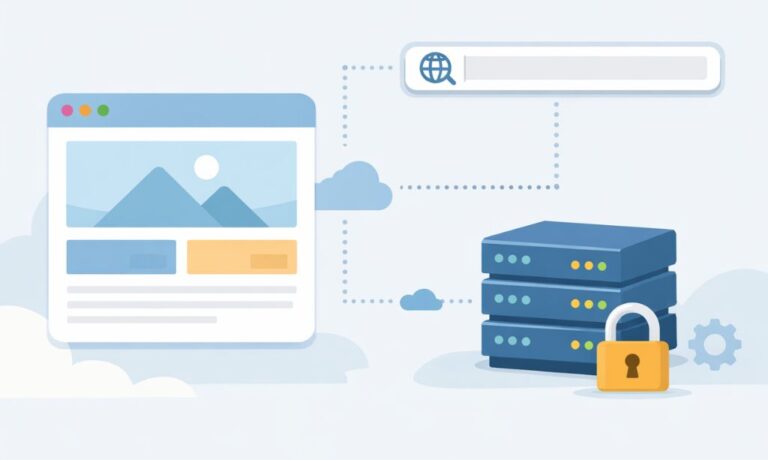
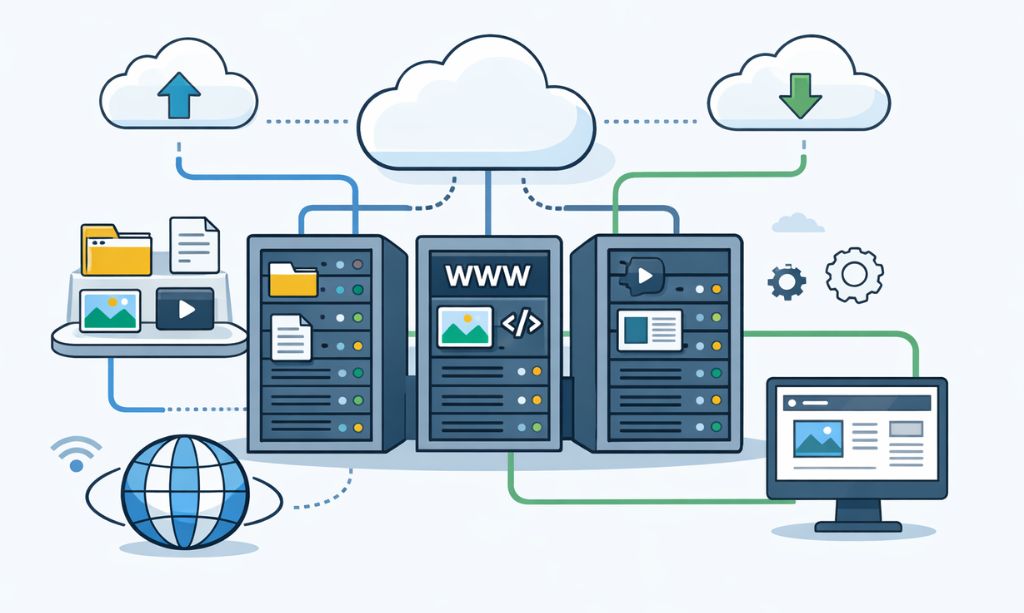
Your website, at its core, is just a bunch of files. For the world to see it, those files need to live on a computer that’s always on and always connected to the internet. We call that computer a “server.” You’re basically just renting a tiny slice of space on one of these servers. That’s all web hosting is. You pay a company, they keep your website’s files online so people can visit them. Simple as that.
2.2 Shared Hosting vs Other Hosting Types
You’ll be starting with what’s called “shared hosting.” Think of it like splitting a giant pizza. One huge server (the pizza) is shared between lots of websites, and you just pay for your one slice. Since you’re all chipping in, it’s super cheap. It’s the perfect starting point.
Down the road, if your site gets crazy popular, you might need your own personal pizza (that’s like VPS hosting). But you absolutely do not need to worry about that right now. Stick with the slice.
2.3 Why Hostinger and Namecheap Are Popular Among Beginners
So, why are these two the names you always hear? Why is it always a Hostinger vs Namecheap conversation? It’s no accident. They both nailed what beginners actually need.
For starters, they’re cheap to get into. We’re talking wallet-friendly prices that don’t make you nervous about starting. They also know that most of us aren’t coding wizards. Their systems are built for regular folks to use without wanting to pull their hair out. And to seal the deal, they usually throw in a free domain for your first year, which is one less thing you have to worry about. They just make it easy to start.
3. Hostinger vs Namecheap: Quick Overview
Alright, let’s zoom in a little on these two companies. It’s worth knowing who you’re dealing with before we get into the super-specific details. What’s their story?
3.1 Company Background and Market Presence
The way these two companies started really says a lot about them, and it’s a big piece of the Hostinger vs Namecheap puzzle.
Hostinger is the younger of the two. They pretty much burst onto the scene with a simple goal: make hosting fast but not crazy expensive. They got known for using up-to-date tech and making their dashboard easy for anyone to use, which is why they got popular so fast all over the world. They have a very “new and modern” feel.
Namecheap has a longer history. They started out just selling domain names, and they got a massive, loyal fanbase by being affordable and super honest. They weren’t trying to be flashy. They took that exact same playbook—simple, trustworthy, and good value—and applied it to their hosting. They feel more like the reliable, established choice.
3.2 Hosting Services Offered by Both Providers
Here’s some good news: you can’t really pick a “wrong” door here in terms of future growth.
Both of them are set up so you can start on their smallest, cheapest plan. If your website suddenly gets popular, you can just upgrade to a bigger plan without having to pack up and move your whole site to another company. They’re both ready for you to get bigger.
3.3 Core Similarities Between Hostinger and Namecheap
For all the articles you’ll read about Hostinger vs Namecheap, you might be surprised at how much they have in common, especially for beginners.
Whichever one you choose, you’re going to get the basics covered. They both give you a control panel to run your site, a simple way to install WordPress, and that little padlock icon (an SSL certificate) to keep things secure. Plus, you get a 30-day window to get your money back if you’re not happy, and they both have support teams available around the clock.
So the basic safety net is there with either one. The real choice comes down to the small stuff, which we’ll get into right now.
4. Website Performance and Speed
Alright, let’s talk about the one thing everyone really cares about: speed. How fast will your website actually be? Because nobody on the planet enjoys waiting for a slow-loading page. You click away, I click away, everyone does.
We need to make sure that doesn’t happen with your site.
4.1 Why Website Speed Matters for Users and SEO
This isn’t complicated. When a website is slow, people leave. It feels broken and unprofessional. That’s really all there is to it.
Google’s whole job is to show people good stuff, and they don’t consider slow websites to be “good.” So if your site is faster, your visitors are happier, and Google is happier too. It just helps you on all fronts.
4.2 Performance Approach of Hostinger
Hostinger’s whole identity is wrapped up in being fast. It’s their thing. They spend their money on the newest, quickest technology to make it happen.
For example, they use something called LiteSpeed servers. Don’t worry about the name—just know it’s a newer, more efficient “engine” for serving up web pages. They also use the latest, fastest kind of storage drives. It’s all about getting every last drop of speed out of their systems.
4.3 Performance Approach of Namecheap
Namecheap plays a slightly different game. Their focus is more on being unbelievably reliable. They’re not slow, but their number one priority is making sure your website is always online.
They use very solid, proven technology that’s known for its stability. It might not always be the brand-new, cutting-edge stuff, but it’s dependable as a rock. They put a lot of weight behind their promise that your site will almost never go down. For Namecheap, being online consistently is the most important thing.
4.4 What Beginners Should Understand About Speed Differences
Here’s the honest truth. For a brand new site, you’ll think both of these are perfectly fast. The difference is tiny, often fractions of a second.
What will actually make your new site slow is you. Seriously. Uploading a massive photo file by accident will slow your site down more than the difference between Hostinger and Namecheap ever could.
So the real choice here isn’t “fast vs. slow.” It’s more of a personality choice in the Hostinger vs Namecheap debate. Do you want the one that’s obsessed with the latest speed tech (Hostinger)? Or the one that’s obsessed with being rock-solid and dependable (Namecheap)?
5. Pricing Structure and Long-Term Costs
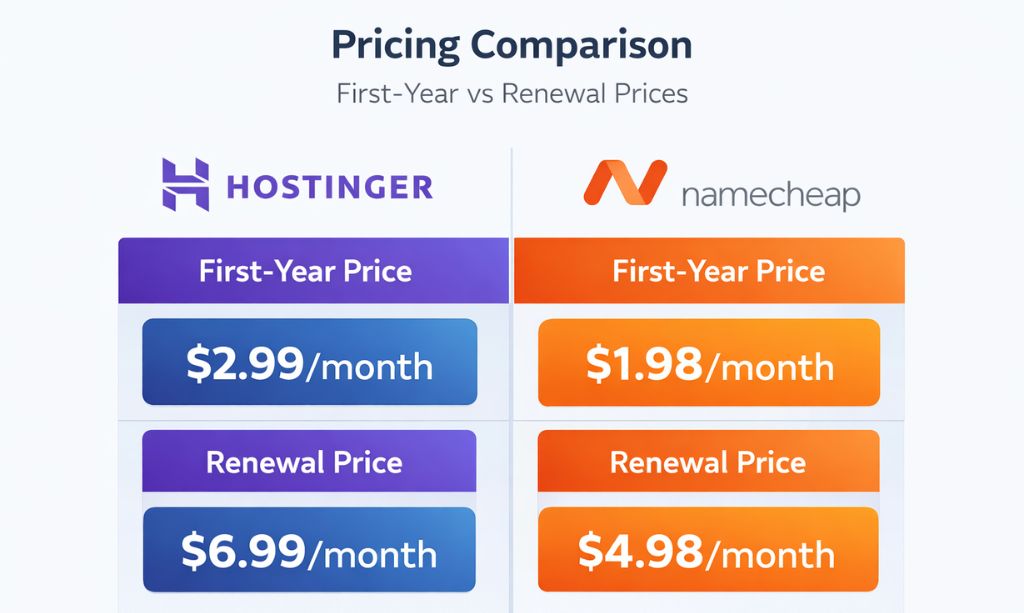
Alright, let’s talk about the money. This is where it gets messy, and honestly, it’s the most important part of the whole Hostinger vs Namecheap decision for your wallet.
5.1 Understanding Introductory Pricing and Renewals
Here’s the deal with hosting prices: the cheap price you see on the homepage is a lie. Well, not a lie, but it’s a first-year hook. A welcome gift.
After that first period is over, the real price shows up. It’s called the renewal rate, and it’s always higher. Sometimes, way higher. You just need to know this going in so you don’t get a nasty surprise on your credit card statement later.
5.2 Hostinger Pricing Explained Simply
Hostinger’s strategy is to dangle a ridiculously low price in front of you. How? By asking you to pay for a bunch of years upfront. It works. You can get your site online for next to nothing.
But that low price has an expiration date. When your time is up, the price will jump back to their normal, much higher rate. It’s a classic long-term play on their part.
5.3 Namecheap Pricing Explained Simply
Namecheap is a bit more chill about their pricing. They have a first-year discount too, but it’s usually not as dramatic.
The real win here is that the price jump at renewal time isn’t as painful. The price you pay in your first year and the price you pay in your second year are much closer cousins. It just feels more straightforward.
5.4 Cost Comparison for Long-Term Beginners
So, when it comes to the Hostinger vs Namecheap price war, who actually wins?
It’s simple. It’s about when you want to save money.
- Want the absolute lowest bill right now to get started? Go with Hostinger. No one is cheaper on day one.
- Worried more about the bill in a couple of years? Namecheap is probably the safer bet. Your costs will be more predictable and likely lower over the long haul.
It’s a choice between saving a bunch of money now versus avoiding a big price hike later.
6. Ease of Use and Beginner Experience
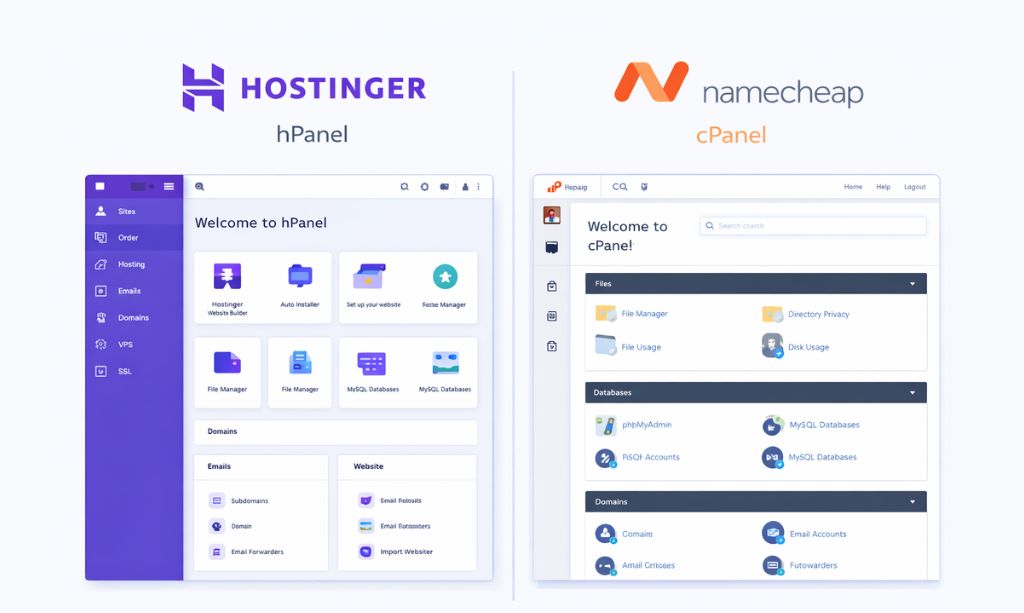
Okay, so a hosting plan is bought. Now what? Now you actually have to use it. This part can be scary if you’re not a tech person. A confusing screen full of buttons is enough to make anyone nervous. So, in the Hostinger vs Namecheap matchup, who makes life easier for a total beginner?
6.1 Getting Started with Hostinger
Hostinger really tries to make your first five minutes easy. When you log in for the first time, they don’t just leave you in a complicated dashboard. Instead, a little setup wizard pops up and starts asking you simple questions. It’s a hand-holding process that guides you through the initial steps, which is super reassuring when you have no idea what you’re doing.
6.2 Getting Started with Namecheap
Namecheap is a bit more direct. Once you’ve paid and got your login info, you’re pretty much straight into their main account area. There isn’t the same guided, step-by-step setup that Hostinger has. It’s less of a welcome tour and more of a “here’s your dashboard, you can get started now.” It’s perfectly functional, just not as beginner-focused in that initial moment.
6.3 Control Panels and Dashboard Experience
This is where you’ll spend most of your time, and it’s where the two are the most different. The control panel is your mission control for your website.
- Hostinger made their own thing called hPanel. It looks clean and modern, almost like a simple app on your phone. The icons are easy to understand, and they’ve hidden a lot of the complex stuff so you don’t get overwhelmed. It was built specifically to not be scary.
- Namecheap uses cPanel, which is the industry standard. Just about every hosting company for the last 15 years has used cPanel. It’s powerful, but it can look like a cockpit with a hundred different buttons when you first see it. It has a bit of a learning curve because it’s just so packed with features.
6.4 Which One Feels Easier for Non-Technical Users
Let’s just call it like it is: Hostinger will probably feel easier to a complete novice. Their hPanel is simply less intimidating to look at for the first time.
But that’s not the whole story. Because Namecheap uses the standard cPanel, there are thousands of video tutorials on YouTube for it. If you want to know how to do anything in cPanel, a guide is just a Google search away. With Hostinger’s hPanel, you’re more reliant on their own help guides.
So the real Hostinger vs Namecheap question here is: do you want the simpler-looking custom dashboard (Hostinger)? Or the more complex, standard dashboard that has a world of tutorials to help you learn it (Namecheap)?
7. Customer Support and Help Resources

Okay, this is a big one. What happens when something breaks? It’s late at night, your website is showing a weird error, and you’re starting to panic. This is when you find out how good your web host really is. A good support team can be a lifesaver, so let’s see how Hostinger vs Namecheap stack up when you need help.
7.1 Support Channels Offered by Both Providers
How do you actually contact a real person for help?
- Hostinger primarily offers 24/7 live chat. It’s built right into their hPanel dashboard. The support is generally pretty good, but you usually have to be logged in to use it, which can be a pain if you’re locked out of your account.
- Namecheap also has 24/7 live chat as their main support channel, along with a traditional ticketing system. Their live chat is famous for being incredibly responsive and helpful. You can often get connected to a real person in under a minute.
One thing to note is that neither of these companies really offers phone support. That’s pretty standard for budget hosting, as they rely on the efficiency of live chat to help everyone.
7.2 Knowledge Base, Tutorials, and Learning Resources
Sometimes, you just want to figure things out yourself. This is where their self-help guides come in.
- Hostinger has a huge collection of articles and tutorials in their knowledge base. They are well-written, have lots of pictures, and are specifically designed to help you navigate their own hPanel. If you have a question about their system, you’ll probably find an answer there.
- Namecheap also has a massive and very detailed knowledge base. But they have a secret weapon: since they use the industry-standard cPanel, the entire internet is basically their tutorial section. You can find thousands of YouTube videos and blog posts from other creators explaining every single feature of cPanel.
7.3 What Beginners Should Expect from Hosting Support
Let’s be realistic for a moment. You’re paying a few dollars a month. You’re not going to get a dedicated IT expert who will redesign your website for you.
Hosting support is there to help with hosting problems. Things like: “My server seems to be down,” “I can’t access my email,” or “There’s an error with your control panel.” They are generally not there to help you fix a problem with your WordPress theme or a plugin you installed. That’s your responsibility.
So, in the Hostinger vs Namecheap support comparison, there’s no clear loser. Both offer solid 24/7 chat support. Hostinger’s support is tailored to their unique, easy-to-use system. Namecheap’s support is known for being fast and is backed up by a world of online cPanel resources. The choice depends on which kind of safety net you feel more comfortable with.
8. Security and Website Safety

Alright, let’s talk about the scary stuff: keeping your website safe. You’re putting a lot of work into this, and the last thing you want is for it to get hacked. Security is a big deal, so let’s see how Hostinger vs Namecheap handle it.
8.1 Basic Security Features Every Beginner Needs
You don’t need to be a security guru, but there are a few things your host absolutely has to give you. First is a Free SSL Certificate (the padlock icon that makes your site trusted). Second is some kind of Firewall or Malware Scanning to protect the server itself. And third, you need Backups, which are basically your undo button if something goes terribly wrong.
8.2 Security Measures Provided by Hostinger
Hostinger likes to include a lot of security features in their plans right from the start. You get your free SSL without having to ask. They also have their own internal firewalls and malware scanners running to protect their servers 24/7. It’s an approach that feels very bundled and all-in-one. They try to give you a complete security blanket so you don’t have to think too much about it.
8.3 Security Measures Provided by Namecheap
Namecheap, of course, covers the essentials like a free SSL and server protection. But they have a special trick up their sleeve thanks to their domain business: free lifetime Domain Privacy. This is a big deal. It hides your personal information, like your name and address, from being publicly listed online, which is fantastic for preventing spam and protecting your privacy. They also have very strong protection against what are called DDoS attacks, which can knock your site offline.
8.4 How Secure Are These Hosts for New Websites
Here’s the honest truth: both of these hosts are very secure for a new website. They both take care of the heavy lifting on the server side of things.
The biggest security risk to your site, nine times out of ten, is going to be something you do—like using a weak password or not updating a WordPress plugin.
So the Hostinger vs Namecheap security question isn’t “which one is safe?” because they both are. It’s more about which security philosophy you prefer. Do you like Hostinger’s simple, all-in-one package that covers all the bases? Or do you value Namecheap’s standout feature of lifetime domain privacy that protects your personal information in a way most other hosts don’t?
9. Scalability and Future Growth

Okay, let’s think about the future for a minute. Your site is tiny now, but what if it blows up? What if you get a sudden rush of visitors? That’s what scalability is about. It’s a key piece of the Hostinger vs Namecheap puzzle.
9.1 Why Future Growth Matters Even for Beginners
It feels a bit silly to worry about becoming famous when you’re just starting, I know. But here’s why you must: moving a website from one host to another is a nightmare. You want to pick a host that can just give you more power when you need it, without the headache of moving.
9.2 Hosting Upgrade Options in Hostinger
So, what happens at Hostinger when your site gets popular? They have a clear upgrade path. You start on their regular shared hosting. When you need more juice, you can hop over to their Cloud Hosting or, for even more power, their VPS Hosting plans. They have bigger plans ready for you.
9.3 Hosting Upgrade Options in Namecheap
Namecheap has a ladder for you to climb, too. You’ll start on their shared hosting. As your traffic grows, you can move up to a VPS plan or, if you get really big, a full-on Dedicated Server. They’ve got you covered for the long haul.
9.4 Choosing a Host That Can Grow with Your Website
Here’s the simple truth that should make you relax: when it comes to the Hostinger vs Namecheap choice for future growth, you can’t make a mistake.
Both of them are built for this. Both have easy ways to upgrade your plan when the time comes. This isn’t a feature that one has and the other doesn’t. You can pick either one and sleep well knowing they’ll be able to handle your success down the road.
10. Additional Features Beginners Care About

Sometimes it’s the little things that make the biggest difference. Beyond just speed and price, there are a few extra perks that can make your life a lot easier. Let’s look at some of these tie-breakers in the Hostinger vs Namecheap comparison.
10.1 Domain and Email Services
Your website needs an address (like yourwebsite.com) and a professional email to go with it (you@yourwebsite.com).
- Hostinger makes this simple by usually offering a free domain name for the first year with most of their annual plans. It’s a nice, bundled-in saving.
- Namecheap is a domain giant, and this is where they shine. They also offer a free domain for the first year, but they add their killer feature: free lifetime domain privacy. This keeps your personal information hidden from the public, which is a huge win for your privacy.
10.2 Website Migration Options
What if you already have a website somewhere else and want to move it? Moving a site can be a huge technical headache.
The good news is, both Hostinger and Namecheap offer to do this for you for free. Hostinger has a slick, automated migration tool, and Namecheap’s support team will handle the migration for you. This is a massive stress-reliever, and on this point, it’s a tie. Both companies have got your back if you’re switching over.
10.3 Website Builders and Automation Tools
What if you don’t want to use WordPress?
- Hostinger has a big advantage here with their own Hostinger Website Builder. It’s a modern, drag-and-drop tool that is incredibly easy to use. If the idea of WordPress seems too complicated, this is a fantastic alternative included with their plans.
- Namecheap also offers a website builder, but it’s a more basic tool. Their strength really lies in providing the standard cPanel environment, which gives you access to hundreds of one-click installers for all sorts of apps, with WordPress being the main focus.
10.4 CDN and Performance Enhancements
A CDN, or Content Delivery Network, is a fancy term for a system that makes your website load faster for people all over the world. It basically stores copies of your site in different locations globally.
This used to be a complicated, expensive feature, but now it’s standard. Both Hostinger and Namecheap offer free and easy integration with Cloudflare, the world’s most popular CDN. So no matter which one you choose in the Hostinger vs Namecheap debate, you’ll be able to make your site faster for your global audience with just a few clicks. This is another category where both hosts provide excellent value.
11. Strengths and Limitations of Each Provider
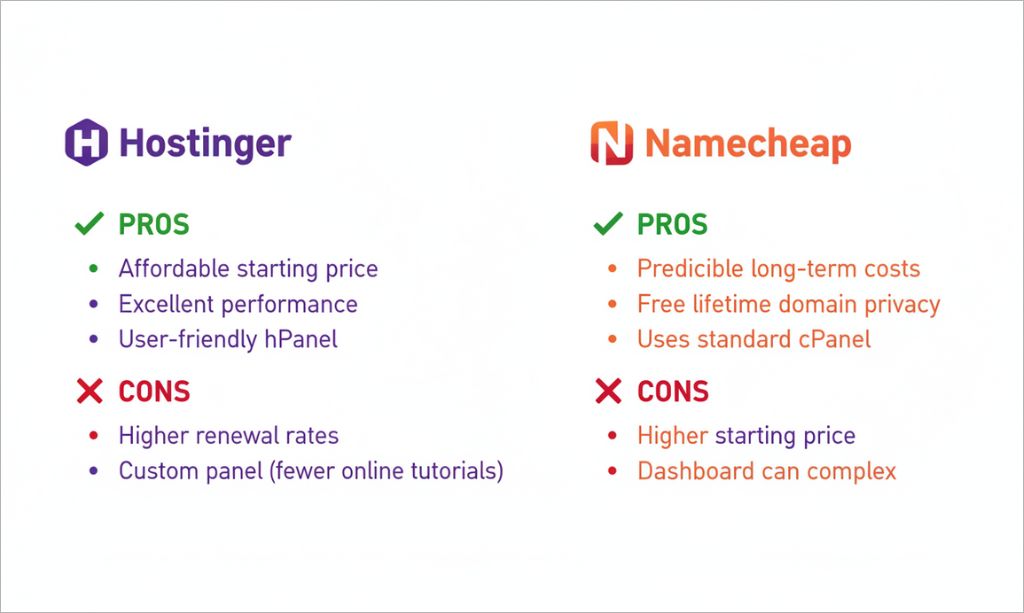
Okay, we’ve been through a lot. So let’s just put all the cards on the table. No more deep dives, just the simple good and bad. This is the final breakdown of the Hostinger vs Namecheap choice.
11.1 Where Hostinger Performs Well
Hostinger’s big win is its modern, beginner-friendly vibe. They are obsessed with speed and use the latest tech to make it happen. Their custom dashboard, hPanel, is probably the least scary way for a total newbie to get started. And, of course, their crazy-low introductory prices if you commit long-term are impossible to beat. They just make it feel really easy and cheap to start.
11.2 Where Namecheap Performs Well
Namecheap’s strength is its reputation. It’s the steady, reliable choice. People trust them. Their long-term pricing is more predictable, so you don’t get that sticker shock when it’s time to renew. And their free lifetime domain privacy is a genuinely valuable perk that protects your personal information. They give you the industry-standard cPanel, which, while complex, has a world of tutorials to back you up.
11.3 Limitations Beginners Should Be Aware Of
Neither of them is perfect, and it’s all about the trade-off. With Hostinger, the catch is that big renewal bill waiting for you down the road. You get a great deal now, but you’ll pay more later. With Namecheap, the initial challenge is their cPanel dashboard, which can feel like a lot to learn for a beginner. It’s not as slick or simple as what Hostinger offers.
So, the whole Hostinger vs Namecheap thing boils down to this: what do you care about more right now? The easiest possible start with the lowest upfront cost? Or the predictable, trustworthy option that might take a little more learning at the beginning?
12. How to Choose Between Hostinger and Namecheap
Alright, we’ve laid out all the facts. By now, you probably have a gut feeling about which one is right for you. But if you’re still on the fence, let’s make it super simple. This isn’t about picking the “best” host; it’s about picking the best host for you.
Here’s a quick guide to help you make your final call in the Hostinger vs Namecheap decision.
12.1 Choosing Based on Budget
This is the easiest one to decide. Ask yourself one question: when do you want to save money?
- Choose Hostinger if your main priority is the lowest possible starting cost. If your budget is tight and you need to get your website online for the least amount of money right now, Hostinger is the answer.
- Choose Namecheap if you prefer predictable, long-term budgeting. If you don’t mind a slightly higher entry price in exchange for a smaller price jump at renewal, Namecheap is the more financially stable choice over several years.
12.2 Choosing Based on Speed and Performance Needs
Both are fast enough for any new website, but they think about speed differently.
- Choose Hostinger if you want the latest and greatest speed technology. If you’re excited by the idea of LiteSpeed servers and getting every last drop of performance, Hostinger’s modern, speed-focused approach will appeal to you.
- Choose Namecheap if you value rock-solid reliability above all else. If your main concern is that your website is always online and stable, Namecheap’s focus on proven, dependable technology makes them a very safe bet.
12.3 Choosing Based on Long-Term Plans
Think about how you see yourself using your hosting account in a year.
- Choose Hostinger if you want the simplest, most user-friendly experience from day one. If you’re nervous about the technical side and want a clean, modern dashboard (hPanel) that feels easy, Hostinger is designed for you.
- Choose Namecheap if you don’t mind a small learning curve for a powerful, industry-standard tool. If you’re the kind of person who likes to learn and wants to use the same platform (cPanel) that has endless tutorials online, Namecheap is a great long-term choice.
Ultimately, there is no wrong answer in the Hostinger vs Namecheap debate. They are both excellent providers. Your choice just depends on what you value most: upfront savings and ease of use, or long-term value and reliability.
13. Frequently Asked Questions (FAQs)

We’ve covered a lot, but you might still have a few lingering questions. Here are some quick, straight-to-the-point answers to the most common things people ask when comparing Hostinger vs Namecheap.
Is Hostinger faster than Namecheap for beginners?
Technically, Hostinger often has a slight speed advantage because they use newer tech like LiteSpeed servers. But for a brand new website, the difference is tiny—we’re talking fractions of a second. You probably won’t even notice it. Both are plenty fast to get started.
Is Namecheap more affordable in the long run?
It often can be, yes. Hostinger is almost always cheaper for your first payment. But when it’s time to renew, Namecheap’s price jump is usually smaller. So, over three or four years, Namecheap can end up saving you money.
Can beginners switch hosting providers later?
Absolutely. You’re never locked in forever. However, moving a website can be a technical headache and a lot of hassle. That’s why it’s best to try and choose the right host from the start.
Do both hosts support WordPress properly?
Yes, one hundred percent. Both Hostinger and Namecheap are excellent for WordPress. They both offer easy, one-click installers and have their servers set up to run WordPress smoothly. You can’t go wrong with either choice for a new WordPress site.
Which hosting is easier for first-time users?
Hostinger probably feels easier the moment you log in. Their custom hPanel is cleaner and less intimidating. But because Namecheap uses the standard cPanel, there are thousands of tutorials for it on YouTube and Google. So, Hostinger is simpler out of the box, while Namecheap is easier to find help for online.
14. Conclusion

Final Thoughts for Beginners in 2026
So, here we are at the end of the great Hostinger vs Namecheap debate. After everything we’ve looked at—speed, price, support, and all the little details—what’s the final verdict?
The truth is, there isn’t one. The reason these two hosts are so popular is that they are both fantastic choices for beginners. You genuinely cannot make a “wrong” decision here. The choice is simply about what you value most right now, at the very beginning of your website journey.
Let’s boil it down one last time for clarity:
- If your priority is the lowest possible starting cost and a modern, simple dashboard that feels easy from day one, then Hostinger is the right choice for you.
- If your priority is predictable long-term pricing, rock-solid reliability, and the valuable privacy protection of free WhoisGuard, then Namecheap is the right choice for you.
That’s it. It’s a choice between the best possible start and the most predictable journey.
Don’t overthink it. Pick the one that your gut tells you is the better fit for your personality and your budget. Your journey as a website owner begins today, so dive in and start building something amazing.